
You assume silk bathrobes must be the most absorbent because they’re luxurious. Wrong. Silk absorbs far less moisture than cotton. This misconception leads many buyers to choose fabrics that don’t match their needs. Understanding the science behind luxury bathrobe materials transforms how you select robes for comfort, performance, and longevity.
Table of Contents
- Introduction To Luxury Bathrobe Materials
- Understanding Material Fiber Types And Origins
- How Fabric Weave Affects Robe Texture And Performance
- Durability And Care: Maintaining Luxury Bathrobe Quality
- Common Misconceptions About Luxury Bathrobe Materials
- Comparison Framework: Choosing The Right Fabric For Your Needs
- Bringing It Together: Practical Guidance For Purchase And Gifting
- Discover Premium Luxury Bathrobes At Lotus Linen
Key Takeaways
| Point | Details |
|---|---|
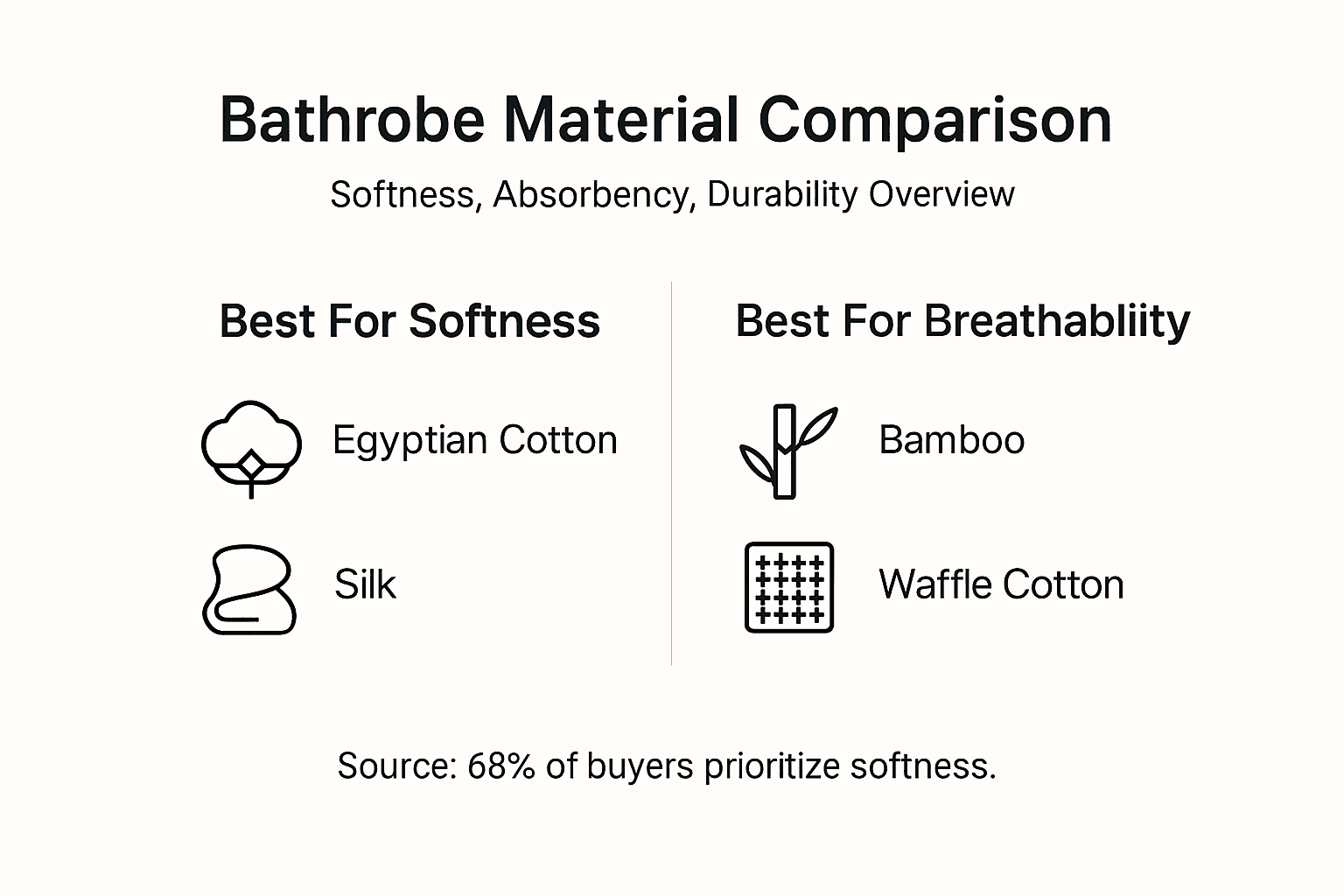
| Consumer Priorities | 68% of luxury robe buyers rank softness and breathability as top factors |
| Silk Limitations | Silk absorbs only 11-12% moisture versus cotton’s 25-30% capacity |
| Bamboo Advantages | Bamboo fabric excels in moisture wicking and natural antimicrobial properties |
| Weave Impact | Fabric weave determines texture, absorbency, and drying speed more than fiber alone |
| Care Requirements | Proper washing extends robe lifespan and preserves the softness you paid for |
Introduction to Luxury Bathrobe Materials
Luxury bathrobe fabrics distinguish themselves through three core properties: exceptional softness against skin, robust durability through repeated washing, and superior moisture absorbency. These characteristics separate premium robes from basic alternatives.
The most common luxury materials include Egyptian cotton, silk, bamboo fabric, and advanced synthetic blends. Each brings distinct advantages. Egyptian cotton delivers plush softness and excellent water absorption. Silk provides smoothness and visual elegance. Bamboo offers breathability with natural antimicrobial benefits.
Material choice profoundly affects your daily experience. A silk robe feels luxurious but leaves you damp after showering. Cotton terry cloth absorbs moisture efficiently but weighs more. Understanding these properties helps you match fabric to your specific comfort needs and climate.
When exploring best bathrobe fabrics, consider how you’ll actually use the robe. Morning routines differ from evening relaxation. Hot climates demand different materials than cold ones. Your bathrobe fabric types guide should account for lifestyle factors beyond aesthetics.
- Softness determines comfort during extended wear
- Durability ensures your investment lasts years
- Absorbency affects post-bath drying efficiency
- Weight influences seasonal suitability
Understanding Material Fiber Types and Origins
Egyptian cotton stands out because of its extra-long staple fibers. These fibers measure 1.5 to 2 inches, creating exceptionally soft yarn that resists pilling. The longer staple also increases strength, allowing Egyptian cotton robes to maintain their plush texture through hundreds of washes. Water absorption reaches 25 to 30% of the fabric’s weight, making it ideal for post-shower use.
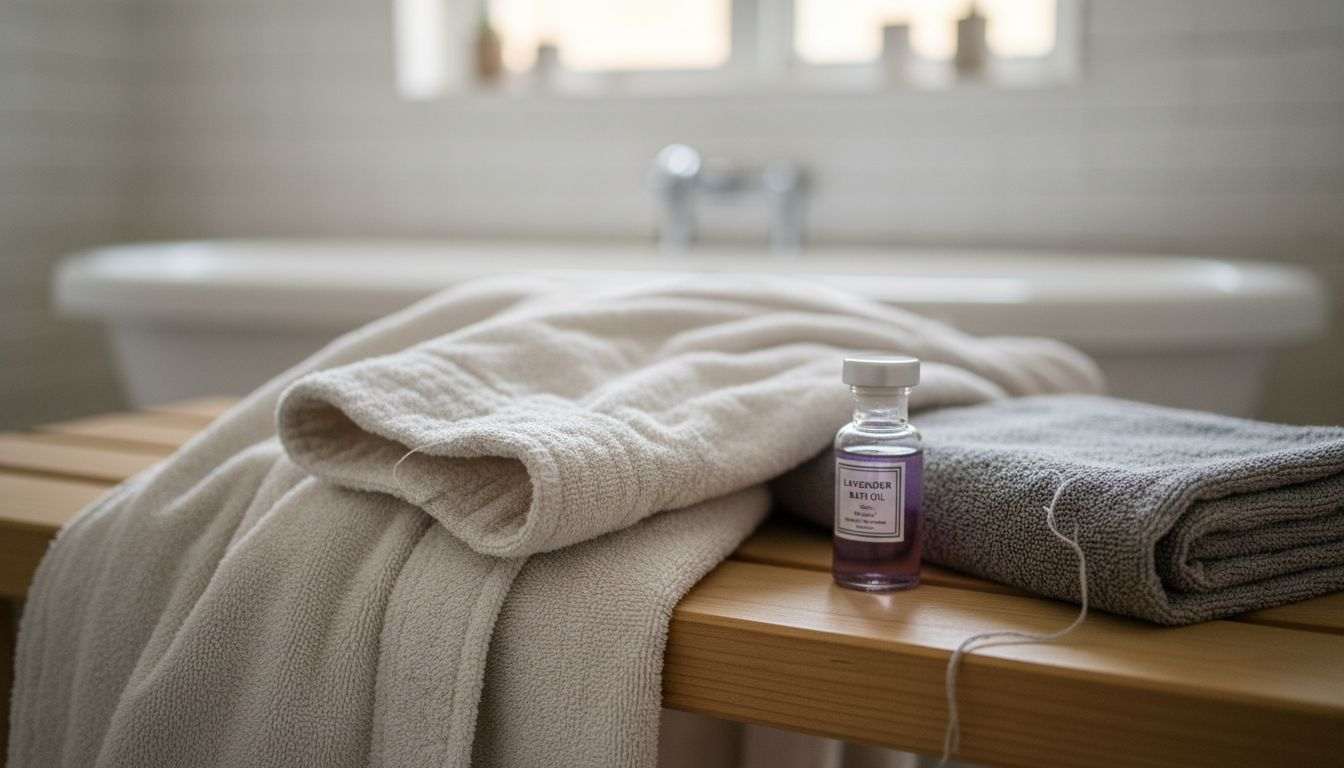
Silk delivers unmatched smoothness and natural sheen that catches light beautifully. However, silk fabric properties reveal a critical limitation: silk absorbs only 11 to 12% moisture. This makes silk robes less practical immediately after bathing. They excel as loungewear for evenings when absorbency matters less than aesthetic appeal.
Bamboo fabric has emerged as a luxury option combining comfort with performance. Bamboo fabric benefits include natural breathability that prevents overheating, moisture wicking that pulls dampness away from skin, and antimicrobial properties that resist odor buildup. These qualities make bamboo particularly suitable for warmer climates and people with sensitive skin.
Synthetic microfiber blends now rival natural fibers in softness while offering faster drying times. Advanced manufacturing creates ultra-fine fibers that feel plush against skin. These blends often combine the best attributes of multiple materials without the care complexity of pure silk or the weight of thick cotton.
Proper care varies dramatically by fiber type. Cotton tolerates hot water and machine drying. Silk demands cold water hand washing and air drying. Bamboo sits between these extremes, accepting gentle machine cycles. Ignoring these differences destroys the qualities you paid premium prices to obtain.
Pro tip: Fiber origin impacts performance more than brand reputation or price point. A well-constructed bamboo robe from a lesser known manufacturer often outperforms an expensive but poorly made cotton option.
- Egyptian cotton: unmatched absorbency and durability
- Silk: luxury feel but requires delicate handling
- Bamboo: breathable and naturally antimicrobial
- Microfiber blends: quick drying with soft texture
Exploring best bathrobe fabrics requires understanding that each fiber serves different priorities. Your bathrobe fabric types guide should match material properties to your actual usage patterns. When choosing the best bathrobe fabrics, consider climate, washing frequency, and whether you prioritize absorption over aesthetics.
How Fabric Weave Affects Robe Texture and Performance
Terry cloth creates its signature plush texture through looped pile construction. These loops trap water efficiently, making terry cloth robes highly absorbent. The thick pile feels luxurious but adds weight and bulk. Terry cloth works best for cold climates and post-bath use when maximum moisture absorption matters most.
Waffle weave uses a distinctive honeycomb pattern that creates air pockets throughout the fabric. This structure promotes air circulation while maintaining reasonable absorbency. Waffle weave bathrobes dry faster than terry cloth and weigh significantly less. The lightweight nature makes them ideal for warm climates, travel, and people who dislike heavy robes.
Velour weave creates a smooth, soft surface by shearing the fabric loops flat. This produces a luxurious feel similar to velvet with moderate absorbency. Velour robes offer an elegant appearance suitable for lounging but don’t absorb moisture as effectively as terry cloth. They work well as evening wear rather than practical post-shower garments.
Pro tip: For humid climates or active lifestyles, choose waffle weave or microfiber blends. These materials promote better airflow and dry quickly, preventing that damp, heavy feeling that plagues thick terry robes in warm weather.
| Weave Type | Softness | Absorbency | Breathability | Drying Speed |
|---|---|---|---|---|
| Terry Cloth | High | Excellent | Moderate | Slow |
| Waffle Weave | Moderate | Good | Excellent | Fast |
| Velour | Very High | Moderate | Low | Moderate |
Weave selection balances tactile luxury against practical performance needs. Terry cloth maximizes absorbency but sacrifices quick drying. Waffle weave compromises some plushness for better breathability. Velour prioritizes feel over function.
- Terry cloth: maximum absorption, heavier weight
- Waffle weave: lightweight, quick drying, breathable
- Velour: smooth luxury feel, moderate practicality
- Weave matters as much as fiber type
Durability and Care: Maintaining Luxury Bathrobe Quality
Absorbency degrades after multiple washes when you use harsh detergents or hot water. The chemicals strip natural oils from fibers and damage the structure that creates softness. This explains why your once-plush robe feels rough after a year.
Recommended washing includes gentle cycles with cold water and mild detergents specifically formulated for delicate fabrics. Cold water prevents fiber shrinkage and color fading. Gentle agitation reduces stress on yarn structure. These simple adjustments extend robe life significantly.
Avoid fabric softeners entirely. They coat fibers with chemicals that reduce moisture wicking ability. Your robe might feel softer initially but becomes less absorbent over time. The coating also traps odors and reduces breathability.
Proper drying preserves fabric integrity. Air drying works best for all luxury materials. If you must use a dryer, select low heat and remove the robe while slightly damp. High heat damages fibers permanently, creating that scratchy texture no amount of care can reverse.
Different materials demand tailored approaches. Silk requires hand washing or professional cleaning to maintain its sheen. Cotton and bamboo tolerate gentle machine washing but benefit from air drying. Synthetic blends prove most forgiving, accepting standard home care with minimal degradation. Understanding cotton bathrobe care and plush robe care prevents expensive mistakes.
Following expert care guidelines protects your investment and maintains the luxury feel that justified the premium price.
- Use cold water and gentle cycles
- Skip fabric softeners completely
- Air dry when possible
- Match care intensity to fiber type
- Prevention beats restoration
Common Misconceptions About Luxury Bathrobe Materials
-
Silk is highly absorbent because it’s luxurious. Silk actually absorbs less moisture than cotton, making it impractical immediately after bathing despite its premium status and beautiful drape.
-
Synthetic blends always reduce breathability and comfort. Advanced microfiber blends now match or exceed natural fiber softness while offering superior moisture management and faster drying times for active lifestyles.
-
Higher prices guarantee better quality and softness. Price correlates poorly with actual performance. Fiber origin, weave construction, and manufacturing quality matter far more than brand markup or retail positioning.
-
Natural fibers always provide better comfort than synthetics. Certain synthetic materials excel in moisture management for humid environments and active use, outperforming natural alternatives in specific scenarios that demand quick drying and durability.
-
Thread count determines luxury robe quality. Thread count matters for sheets but proves less relevant for bathrobes. Fiber length, weave type, and construction method affect robe quality more than thread density.
These misconceptions lead buyers to prioritize wrong factors during purchase decisions. Understanding actual material science rather than marketing claims produces better outcomes. A moderately priced bamboo robe often delivers superior daily comfort compared to an expensive silk option chosen purely for status.
Comparison Framework: Choosing the Right Fabric for Your Needs
This framework consolidates material properties into actionable comparison criteria. It helps you evaluate options based on measurable performance rather than vague marketing descriptions or subjective brand reputation.
| Material | Softness | Absorbency | Breathability | Durability | Care Complexity | Best Climate |
|---|---|---|---|---|---|---|
| Egyptian Cotton | Excellent | 25-30% | Good | Excellent | Low | All climates |
| Silk | Superior | 11-12% | Moderate | Moderate | High | Temperate |
| Bamboo Fabric | Very Good | 20-25% | Excellent | Good | Low | Warm/humid |
| Microfiber Blend | Very Good | 15-20% | Good | Excellent | Very Low | All climates |
Egyptian cotton emerges as the most versatile option, combining high absorbency with durability and relatively simple care requirements. It performs well across climates and usage scenarios, justifying its popularity among luxury robe buyers.
Silk excels in tactile luxury and visual appeal but demands careful handling and proves less practical for daily post-shower use. Choose silk for evening loungewear when aesthetics outweigh function.
Bamboo fabric offers the best breathability and natural antimicrobial properties. It suits warm climates, people with sensitive skin, and those who prioritize quick drying over maximum plushness.
Microfiber blends provide excellent durability with minimal care demands. They work well for frequent travelers, busy households, and anyone seeking luxury feel without delicate maintenance.
The framework clarifies that no single material dominates all categories. Your ideal choice depends on which properties matter most for your specific circumstances, climate, and lifestyle preferences.
Bringing It Together: Practical Guidance for Purchase and Gifting
Research shows that 68% of luxury robe buyers prioritize fabric softness and breathability over weight or color. This data point should anchor your decision process. If you value these qualities, focus on bamboo or waffle weave options rather than heavy terry cloth.
Match fabric choice to your climate first. Hot, humid environments demand bamboo or waffle weave cotton for better air circulation and faster drying. Cold climates benefit from Egyptian cotton terry cloth that provides warmth and maximum moisture absorption. Temperate regions offer more flexibility in material selection.
Gift considerations require thinking about the recipient’s lifestyle rather than your own preferences. Silk robes make impressive aesthetic statements but frustrate practical users who need daily absorbency. Cotton blends prove safer for general gifting because they balance luxury feel with functional performance. Explore luxury bathrobe gift ideas that match recipient needs.
Care complexity should influence purchase decisions based on available time and interest. Silk demands attention that busy professionals might resent. Microfiber blends forgive neglect that would destroy natural fibers. Be honest about your willingness to follow specialized care instructions.
Pro tip: Request fabric swatches before buying online. Photos and descriptions fail to convey actual hand feel. Testing material texture against your skin reveals preferences that specifications cannot capture.
- Prioritize softness and breathability per consumer data
- Choose materials suited to your actual climate
- Consider care requirements honestly
- Match gifts to recipient lifestyles
- Test fabric feel whenever possible
Discover Premium Luxury Bathrobes at Lotus Linen
Lotus Linen curates luxury bathrobes in the finest materials, from Egyptian cotton to bamboo blends, ensuring you find the perfect match for your comfort needs. Our bath linen buying guide helps you navigate material choices with confidence. Learn essential bath linen care tips to maintain softness and extend your robe’s lifespan for years of daily luxury.

Browse our luxury bathrobe gift ideas for thoughtful presents that combine elegance with practical comfort.
FAQ
What Are the Most Breathable Luxury Bathrobe Materials?
Bamboo fabric and waffle weave cotton robes provide the most breathability, making them ideal for warm climates and sensitive skin. These breathable bathrobe materials promote air circulation and moisture wicking that prevents overheating. The honeycomb structure of waffle weave and bamboo’s natural fiber properties create superior airflow compared to dense terry cloth.
How Should I Care for a Silk Luxury Bathrobe?
Hand wash silk robes in cold water with mild detergent, or use a gentle machine cycle if the care label permits. Avoid bleach, fabric softeners, and direct sunlight to preserve the fabric’s sheen and softness. Silk requires delicate care and low moisture exposure to maintain its luxurious properties. Air dry away from heat sources and never wring the fabric.
Why Are Synthetic Blends Considered Luxurious?
High quality microfiber blends offer superior softness, exceptional durability, and faster drying times compared to some natural fibers. Modern manufacturing creates ultra-fine synthetic fibers that feel plush against skin while addressing practical lifestyle demands. These blends combine the best attributes of multiple materials without the care complexity or weight of traditional luxury fabrics.
What Fabric Should I Choose for Gifting a Luxury Bathrobe?
Consider the recipient’s climate, skin sensitivity, and daily routine when selecting bathrobe fabric. Silk robes appeal to those who value aesthetic elegance, while cotton blends provide practical comfort for everyday use. Bamboo suits people with sensitive skin or those living in warm climates. Review gift registry ideas for guidance on matching materials to different recipient profiles.
Recommended
- Bathrobe Fabric Types Guide 2025 | Comfort & Luxury – Lotus Linen
- Best Fabrics Bathrobes – Lotus Linen
- Best Bathrobes for Frequent Use – Lotus Linen
- 10 Bathrobe Features – Lotus Linen
- How Fabrics Are Made: The Craft Behind Luxury Fashion
- What Defines Luxury Menswear Today in the UK – Vellurehomme

