
Over 60 percent of american adults report feeling uncomfortable in their clothing during peak summer heat. With rising temperatures and sticky humidity, what you wear matters as much as how you wear it. Choosing fabrics that support breathability and draw moisture away from your skin can transform a sweaty day into a comfortable one. This guide reveals how different materials impact your warm weather comfort, helping you make smarter, cooler choices for every summer scenario.
Table of Contents
- Defining Fabrics For Warm Weather Comfort
- Natural And Synthetic Fabric Types Compared
- Key Properties: Breathability And Moisture Wicking
- Safety, Allergies, And Skin Sensitivity Factors
- Luxury Fabrics For Spa, Home, And Gifting
- Common Fabric Mistakes To Avoid In Heat
Key Takeaways
| Point | Details |
|---|---|
| Fabric Choice Matters | Selecting breathable and moisture-wicking fabrics is crucial for comfort in warm weather. Natural fibers like linen and cotton excel in breathability while synthetic options offer advanced moisture management. |
| Impact of Fabric Type | Natural fabrics are often more comfortable for sensitive skin, while synthetic materials can provide better performance for athletes. Choose fabrics based on specific activity levels and environmental conditions. |
| Avoid Common Mistakes | Avoid cotton in high humidity as it retains moisture and can feel clingy. Opt for moisture-wicking synthetics or naturally breathable fabrics to enhance comfort. |
| Luxury Fabrics Enhance Experience | Innovative luxury fabrics offer temperature regulation and exceptional comfort, making them ideal for spa and home settings. Consider fabrics that combine aesthetics and functionality for a superior experience. |
Defining Fabrics for Warm Weather Comfort
Choosing the right fabric for warm weather isn’t just about looking good - it’s about feeling comfortable and managing your body’s temperature effectively. According to Georgia Tech News, fabrics play a critical role in how we experience heat and humidity. Professor Sundaresan Jayaraman, an expert in materials science, highlights that different fabrics interact uniquely with our body’s cooling mechanisms.
At the core of warm weather fabric selection are three fundamental characteristics: breathability, moisture-wicking, and heat dissipation. Breathable fabrics allow air circulation, which helps cool the body. Moisture-wicking materials draw sweat away from the skin, preventing that uncomfortable sticky feeling. Heat dissipation refers to how quickly a fabric can release absorbed warmth.
Natural fibers like linen and cotton offer distinct advantages in warm climates. As Jayaraman notes, linen excels at moisture management, quickly absorbing and releasing sweat, which helps maintain a cool sensation. Cotton, while highly breathable, tends to retain moisture longer, which can make it feel clammy in extreme heat. Synthetic performance fabrics have also emerged as excellent alternatives, often incorporating advanced technologies that enhance moisture control and temperature regulation.
When selecting warm weather fabrics, consider your specific environment and activity level. A lightweight linen shirt might be perfect for a breezy beach day, while a moisture-wicking synthetic blend could be ideal for intense outdoor workouts. Best Robe Fabric for Hot Climates: 2025 Guide for Comfort and Style provides additional insights into choosing the right materials for different scenarios, ensuring you stay cool and comfortable no matter the temperature.
Natural and Synthetic Fabric Types Compared
Understanding the nuanced differences between natural and synthetic fabrics is crucial for making informed clothing choices in warm climates. Georgia Tech News highlights the unique properties of various fabric types, revealing how each material interacts differently with heat and moisture.
Natural fabrics like cotton, linen, and bamboo have distinct characteristics that make them appealing for warm weather. Cotton offers exceptional breathability and softness, making it a popular choice for casual wear. Linen stands out with its superior moisture management, quickly absorbing and releasing sweat to keep you cool. Bamboo fabrics provide natural antibacterial properties and excellent temperature regulation, creating a comfortable wearing experience.
Synthetic fabrics, particularly polyester and microfiber, have evolved significantly with advanced technological treatments. According to The Environmental Blog, these materials can now be engineered to enhance moisture-wicking capabilities, making them ideal for athletic and performance wear. Chemical treatments have transformed polyester from a heat-trapping fabric to a performance material that efficiently moves moisture away from the skin, reducing discomfort during intense activities.
Ultimately, the choice between natural and synthetic fabrics depends on your specific needs.
VIDEO:video_content] Performance athletes might prefer moisture-wicking synthetics, while those seeking everyday comfort might lean towards breathable natural fibers. [Best Robe Fabric for Hot Climates: 2025 Guide for Comfort and Style offers additional insights into selecting the perfect fabric for your lifestyle, ensuring you remain cool, comfortable, and stylish in warm weather conditions.
Key Properties: Breathability and Moisture Wicking
Breathability and moisture-wicking are critical factors in determining a fabric’s comfort level, especially in warm climates. Georgia Tech News reveals the complex science behind how different fabrics interact with our body’s natural cooling mechanisms, highlighting the importance of understanding these key properties.
Breathability refers to a fabric’s ability to allow air circulation, which helps regulate body temperature and prevent overheating. Natural fibers like linen and cotton excel in this area, with their open weave structures permitting air movement. According to the research, linen stands out for its exceptional moisture management. Its unique fiber structure enables rapid absorption and quick release of sweat, creating a cooling effect that keeps the wearer comfortable even in intense heat.
Moisture-wicking goes beyond simple breathability, focusing on how effectively a fabric can draw moisture away from the skin. The Environmental Blog explains that synthetic fabrics like polyester have been technologically enhanced to improve moisture-wicking capabilities. Chemical treatments now allow these fabrics to efficiently transport sweat to the fabric’s outer surface, where it can evaporate quickly. This process is crucial for athletes and individuals engaging in high-intensity activities, as it helps maintain a dry and comfortable feeling.
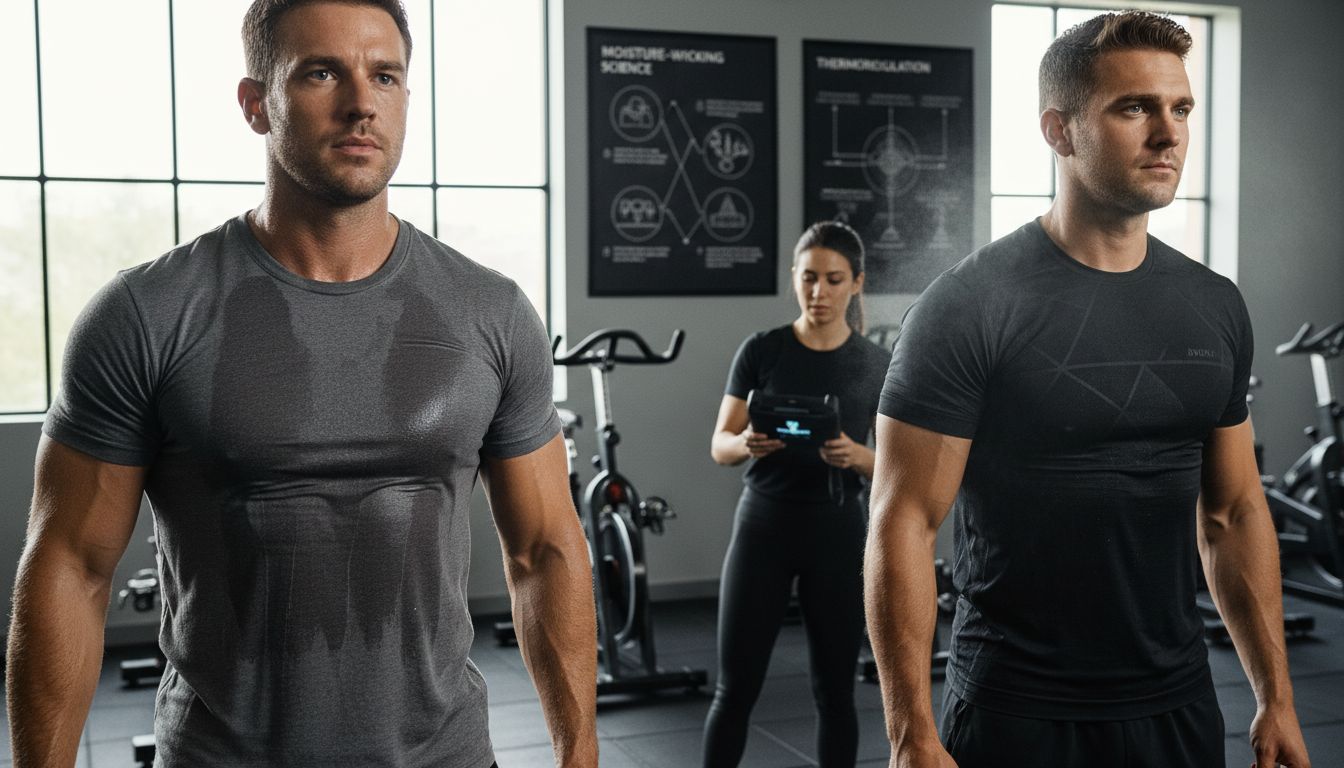
When selecting fabrics for warm weather, consider the balance between breathability and moisture-wicking properties.
INFOGRAPHIC:infographic_content] Cotton, while breathable, tends to retain moisture longer, which can feel uncomfortable. Synthetic blends and treated fabrics often provide the best combination of moisture management and comfort. [Best Robe Fabric for Hot Climates: 2025 Guide for Comfort and Style offers additional guidance on choosing fabrics that will keep you cool and dry in challenging weather conditions.
Safety, Allergies, and Skin Sensitivity Factors
When selecting fabrics for warm weather, understanding their impact on skin health is crucial. The Environmental Blog provides valuable insights into how different fabric types interact with sensitive skin, highlighting the importance of choosing materials that promote comfort and prevent irritation.
Hypoallergenic fabrics play a significant role in protecting individuals with sensitive skin. Natural fibers like cotton and bamboo are particularly noteworthy for their gentle properties. According to the research, these materials are less likely to cause skin reactions, making them ideal for people prone to allergies or skin sensitivities. Their inherent breathability and soft texture create a protective barrier that minimizes friction and potential irritation.
Georgia Tech News emphasizes the potential challenges with synthetic fabrics, which can sometimes trap heat and moisture. This environment can lead to increased skin irritation, especially for those with sensitive skin or prone to conditions like eczema. Chemical treatments used in synthetic fabric production may also trigger allergic reactions, making it essential to carefully consider fabric composition and processing methods.
For individuals with skin sensitivities, a strategic approach to fabric selection is key. Consider factors like fiber content, weave density, and chemical treatments. Natural, minimally processed fabrics often provide the safest option. Best Robe Fabric for Hot Climates: 2025 Guide for Comfort and Style offers additional guidance on choosing skin-friendly fabrics that balance comfort, breathability, and safety in warm weather conditions.
Luxury Fabrics for Spa, Home, and Gifting
Luxury fabrics represent more than just aesthetic appeal - they embody comfort, innovation, and sophisticated design. Stanford News reveals groundbreaking textile research that is transforming how we think about premium materials, particularly in spa, home, and gifting contexts.
Innovative textiles are revolutionizing the luxury fabric landscape. Researchers have developed remarkable materials that can dynamically adjust to temperature changes, providing unprecedented comfort. According to Stanford engineers, these advanced fabrics can literally warm or cool the wearer, making them ideal for high-end spa robes, home linens, and thoughtful gifts that prioritize both style and functionality.
The most exceptional luxury fabrics blend technological innovation with sensory experience. Stanford News highlights low-cost, plastic-based textiles designed to efficiently regulate body temperature. These materials represent a new frontier in luxury - offering scientific precision alongside sumptuous comfort. From plush spa towels to elegantly crafted robes, these fabrics promise an elevated sensory experience that goes beyond traditional textile expectations.
When selecting luxury fabrics for gifting or personal use, consider materials that offer both aesthetic beauty and intelligent design. 7 Luxury Bathroom Inspirations for Your Oasis provides additional insights into creating sophisticated, comfortable environments that showcase the best in modern textile engineering. The perfect luxury fabric isn’t just about looks - it’s about creating moments of exceptional comfort and personal indulgence.
Common Fabric Mistakes to Avoid in Heat
Navigating fabric choices in hot weather can be tricky, with seemingly comfortable materials potentially becoming your worst enemy. The Environmental Blog highlights several critical mistakes that can transform your warm-weather experience from comfortable to unbearable.
Moisture retention is the primary culprit behind most fabric-related discomfort. According to Georgia Tech News, many people mistakenly choose cotton for hot weather, unaware that this fabric absorbs moisture quickly but dries slowly. In high humidity, cotton becomes heavy and clingy, creating an uncomfortable microclimate next to your skin. This can lead to increased sweating, potential skin irritation, and an overall unpleasant experience.
Synthetic fabrics present another set of challenges. While some modern synthetics are engineered for performance, untreated polyester and nylon can trap heat and moisture, creating a sauna-like effect against your body. The key is to select fabrics with advanced moisture-wicking technologies or natural fibers like linen that actively manage humidity. Performance-treated synthetics and breathable natural materials can provide the comfort and cooling effect you need in challenging heat conditions.
Avoiding these common mistakes requires strategic fabric selection. 7 Luxury Bathroom Inspirations for Your Oasis offers additional insights into choosing materials that prioritize comfort and performance. Remember, the right fabric can mean the difference between suffering through the heat and enjoying your warm-weather experiences with confidence and ease.
Discover Comfort and Style with The Best Fabrics for Warm Weather
Choosing the perfect fabric for warmer climates is essential to stay cool, dry, and comfortable. The article highlights the challenges of moisture retention, breathability, and skin sensitivity when facing heat and humidity. Many people struggle with fabrics that trap heat or cling uncomfortably due to sweat. At Lotus Linen, we understand these pain points and focus on luxurious yet breathable robes and towels crafted from fabrics that manage moisture and allow your skin to breathe naturally.
Our collection features plush, waffle, and customizable robes designed specifically to meet the needs of warm climates while prioritizing safety and style. Every piece balances softness and moisture-wicking properties so you do not have to sacrifice comfort for elegance. Experience the difference with materials that feel cool against your skin even on the hottest days.
Elevate your everyday warmth solutions by exploring our curated selection with thoughtful fabric choices. Ready to embrace comfort and style in warm weather?

Shop now at Lotus Linen and feel the difference of quality fabrics designed for hotter climates. Discover details about our robe fabrics in the Best Robe Fabric for Hot Climates: 2025 Guide for Comfort and Style and enhance your spa or home experience with insights from 7 Luxury Bathroom Inspirations for Your Oasis. Take control of your warm weather comfort today and make every moment stylishly relaxing.
Frequently Asked Questions
What fabrics are most breathable for hot weather?
Natural fibers like linen and cotton are highly breathable, allowing air circulation that helps regulate body temperature and prevent overheating.
How does moisture-wicking fabric work?
Moisture-wicking fabric draws sweat away from the skin and transports it to the fabric’s outer surface, where it can evaporate quickly, keeping you dry and comfortable.
Which is better for hot weather: natural or synthetic fabrics?
It depends on your needs. Natural fabrics like cotton and linen excel in breathability, while advanced synthetic fabrics, such as polyester, can offer enhanced moisture-wicking capabilities for athletic activities.
Are there hypoallergenic fabrics suitable for sensitive skin in warm climates?
Yes, natural fibers like cotton and bamboo are hypoallergenic and less likely to cause skin irritation, making them suitable choices for individuals with sensitive skin.
Recommended
- Best Robe Fabric for Hot Climates: 2025 Guide for Comfort and Style – Lotus Linen
- 2025 Guide to Robe Summer Fabrics: Comfort, Style, and Luxury – Lotus Linen
- Robe Fabric Comparisons: Find the Perfect Material for You – Lotus Linen
- Bathrobe Fabric Types Guide 2025: Find the Best for Comfort & Luxury – Lotus Linen
Lotus Linen note: For warm-weather lounging, a women’s waffle robe can feel lighter than heavy plush because the waffle weave gives more airflow while still feeling spa-ready.

